
Shreveport, Louisiana, October 13, 2025
News Summary
The term ‘woke’ has transitioned from a significant call for social awareness in Black culture to a contemporary insult. Originally popularized by musician Lead Belly in connection with racial injustice, it has undergone significant meaning shifts due to social media. Shreveport, Louisiana, celebrates Lead Belly’s impact on music and culture, reflecting the city’s rich musical history. Understanding the original context of ‘woke’ is essential amid ongoing discussions about race and justice.
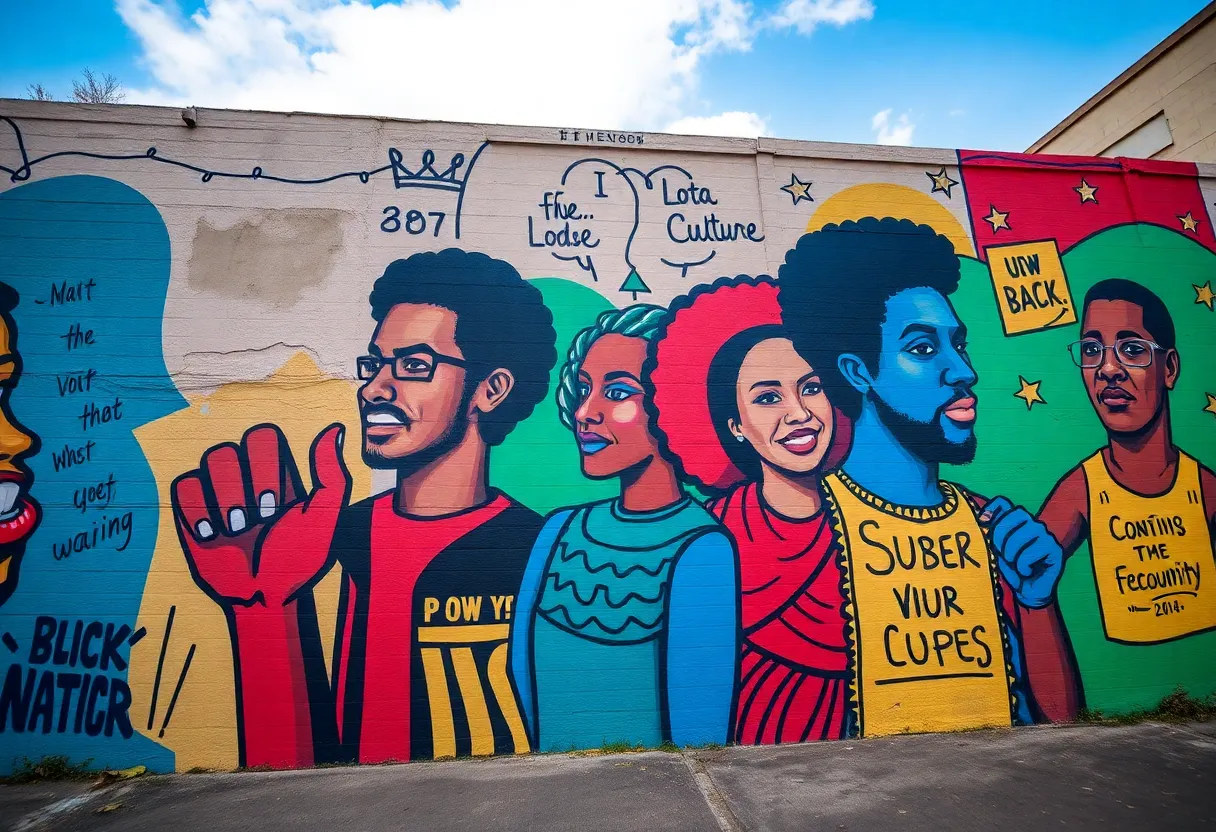
Shreveport, Louisiana – The term “woke,” frequently used as an insult in modern discourse, has deeper historical roots and greater significance than its contemporary connotation suggests. Originally, the term served as a powerful call for social awareness, particularly within Black culture, where it has remained a shorthand for social and political consciousness for decades.
The historical origins of “woke” can be traced back to music legend Huddie Ledbetter, commonly known as Lead Belly, whose contributions to folk and blues music significantly impacted generations of artists, including Johnny Cash, Bob Dylan, Nirvana, and The Beatles. Lead Belly’s mastery of the twelve-string guitar and his ability to convey poignant narratives about life, love, hardship, and justice left an indelible mark on American music. Shreveport honors his legacy with a statue near the courthouse, underscoring his cultural importance.
In 1938, Lead Belly recorded a song that addressed the Scottsboro Boys case, a landmark example of racial injustice involving nine Black teenagers falsely accused of assaulting white women in Alabama. This case highlighted the systemic dangers faced by Black Americans, and at the end of Lead Belly’s recording, he urged listeners to “stay woke,” marking the first known use of the phrase in the context of social awareness. This established a crucial narrative linking the term to vigilance against racial threats.
For decades, the term “woke” retained its meaning primarily within Black culture, particularly as it gained traction during the Civil Rights Movement of the 1960s and 70s. However, in the 2010s, the rise of social media propelled “woke” into mainstream discussions, where its meaning began to shift. Unfortunately, it evolved into a vague insult that often stripped away its historical significance and context. The transformation of “woke” into a dismissive term reflects a substantial departure from its original meaning.
Shreveport’s musical history is rich beyond Lead Belly, featuring influential artists like Elvis Presley and James Burton, alongside modern bands like the Seratones. The city frequently appears in popular culture, including references in Stephen King‘s “The Stand” and various television shows. Notable songs linked to Shreveport include “Susie Q” by Dale Hawkins and “A Change is Gonna Come” by Sam Cooke, reflecting his experiences with Shreveport police, demonstrating the city’s ongoing impact on music. In fact, Shreveport has been mentioned in approximately 184 different song lyrics, showcasing its enduring influence in the musical landscape.
Conclusion
The evolution of the word “woke” reflects broader societal changes, highlighting the disconnect between its origins and modern interpretations. As discussions about race and social justice continue, understanding the term’s rich history is essential to grasping its significance and implications in contemporary discourse.
Frequently Asked Questions
What is the original meaning of the term “woke”?
The original meaning of “woke” was more powerful and specific, rooted in historical context as a call for social awareness, particularly within Black culture.
What influence did Lead Belly have on music?
Lead Belly was a significant musician whose influence extended to artists like Johnny Cash, Bob Dylan, Nirvana, and The Beatles, conveying stories of life, love, hardship, and justice through his songs.
How did the term “woke” evolve over time?
The term “woke” saw a resurgence during the Civil Rights Movement of the 1960s and 70s, but in the 2010s, it evolved into a vague insult stripped of its historical significance.
What is the significance of Shreveport in music history?
Shreveport has a rich musical history beyond Lead Belly, including figures like Elvis Presley, James Burton, and current bands such as the Seratones, frequently appearing in pop culture and being mentioned in approximately 184 different song lyrics.
Key Features Comparison
| Feature | Description |
|---|---|
| Original meaning of “woke” | A call for social awareness within Black culture |
| Lead Belly’s influence | Significant impact on artists like Cash, Dylan, Nirvana, and The Beatles |
| Modern usage of “woke” | Transformed into a dismissive term devoid of original context |
| Shreveport’s musical history | Includes iconic figures such as Elvis Presley and multiple pop culture references |
| Number of songs referencing Shreveport | Approximately 184 different song lyrics |
Deeper Dive: News & Info About This Topic
HERE Resources
Additional Resources
- 710 KEEL: Woke History in Shreveport
- Wikipedia: Social Justice
- K945: Shreveport Song Lyrics
- Google Search: Lead Belly
- Encyclopedia Britannica: Lead Belly
- Google News: Woke Term History


Author: STAFF HERE SHREVEPORT WRITER
The SHREVEPORT STAFF WRITER represents the experienced team at HEREShreveport.com, your go-to source for actionable local news and information in Shreveport, Caddo Parish, and beyond. Specializing in "news you can use," we cover essential topics like product reviews for personal and business needs, local business directories, politics, real estate trends, neighborhood insights, and state news affecting the area—with deep expertise drawn from years of dedicated reporting and strong community input, including local press releases and business updates. We deliver top reporting on high-value events such as Mudbug Madness Festival, Red River Revel Arts Festival, and Independence Bowl. Our coverage extends to key organizations like the Shreveport-Bossier Chamber of Commerce and Shreveport Regional Arts Council, plus leading businesses in gaming, healthcare, and energy that power the local economy such as Horseshoe Casino, Ochsner LSU Health, and Atmos Energy. As part of the broader HERE network, including HEREBatonRouge.com and HERENewOrleans.com, we provide comprehensive, credible insights into Louisiana's dynamic landscape.